
Understanding Provincial Economic Disparities in Canada
Explore regional GDP differences, equalization payments, resource-based economies, and the barriers shaping Canada’s interprovincial trade landscape.
What Drives Regional Economies?
Canada’s provinces operate as distinct economic zones. Some rely heavily on natural resources — oil in Alberta, minerals in Saskatchewan, timber in British Columbia. Others have built service-based economies around finance, technology, and healthcare. This isn’t about one approach being better. It’s about understanding why some provinces grow faster, why others struggle, and how federal mechanisms try to balance regional wealth.
The reality is complex. Resource-rich provinces enjoy boom periods but face vulnerability during commodity downturns. Service-based economies offer stability but require constant innovation. Meanwhile, equalization payments attempt to level the playing field — but the system itself sparks genuine debate about fairness and sustainability.

The Economic Reality Across Provinces
GDP per capita varies significantly. Here’s what that means for your province.
Resource-Based Economies
Alberta and Saskatchewan depend heavily on oil and gas. This creates high GDP but also exposure to global price fluctuations. When commodity prices drop, so does provincial revenue.
Service-Driven Growth
Ontario and British Columbia built economies around finance, technology, and services. More stable long-term, but requires ongoing investment in skills and innovation.
Interprovincial Trade Barriers
Internal trade restrictions limit movement of goods and services between provinces. These non-tariff barriers protect local industries but reduce overall economic efficiency.
Equalization Framework
The federal government transfers billions to less-wealthy provinces. It’s designed to ensure similar public services nationwide, but the mechanics remain controversial.

How Equalization Payments Actually Work
Equalization is a federal transfer program. The idea is straightforward: wealthier provinces contribute more, poorer provinces receive funds to maintain comparable public services. Ontario, Alberta, and British Columbia are net contributors. Quebec, the Maritime provinces, and others receive payments.
The formula considers provincial revenue-raising capacity — not actual tax rates. So even if a province could theoretically collect more taxes, the formula assumes they could, and adjusts transfers accordingly. It’s meant to be fair but often feels arbitrary to those paying in.
The tension: Richer provinces resent funding others without control over spending. Poorer provinces worry the formula doesn’t account for real costs. Everyone has a point.
Featured Insights
Dive deeper into specific aspects of Canada’s provincial economy.

Regional GDP: How Provinces Compare Economically
A detailed breakdown of which provinces lead economically and why. Covers resource-driven economies versus service-based ones.
Read More
How Equalization Payments Actually Work
The federal mechanism that redistributes wealth between provinces. Who pays, who receives, and what it means for your province.
Read More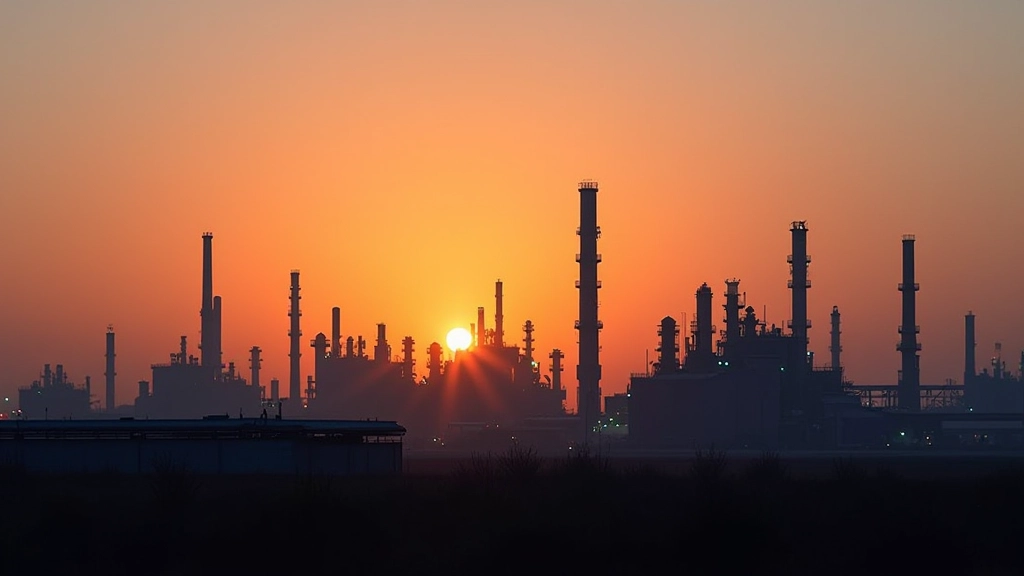
Resource-Rich Economies: Benefits and Risks
Why Alberta and Saskatchewan depend on oil and gas, the advantages this creates, and the vulnerabilities it exposes.
Read MoreComparing Economic Models
Each approach has real tradeoffs.
Resource-Based
- Higher immediate revenue
- Commodity price volatility
- Environmental considerations
- Concentrated employment
- Boom-bust cycles
Service-Based
- Economic stability
- Requires constant innovation
- Diverse job opportunities
- Higher skill requirements
- Gradual growth